How to Write a Thread People Actually Read to the End
Most threads lose readers after the first post. Here is how to structure one so people keep tapping through to the last line.
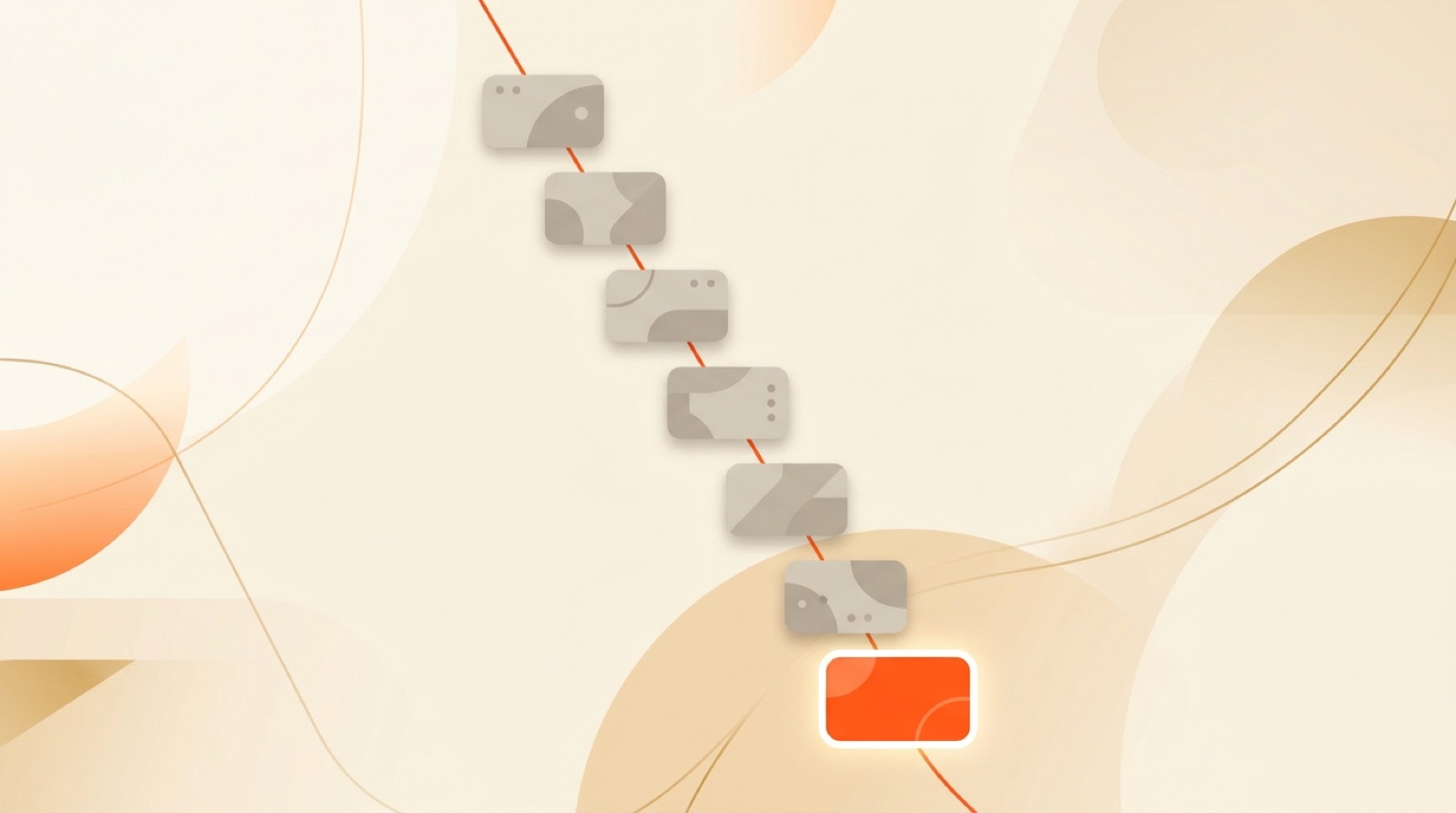
A thread is a promise. The first post says "this is worth a minute of your time," and every post after it either keeps that promise or breaks it. Most threads lose people early, not because the topic is dull, but because the structure makes reading feel like work.
This guide is about structure. The examples are written for Threads and Bluesky, where each post has a hard limit (500 characters on Threads, 300 on Bluesky), but the ideas work anywhere.
Start with the payoff, not the preamble
The first post decides everything. Many people will only ever see that one in their feed. If it opens with context, apologies or a slow warm-up, they scroll on.
A strong opener does two things: it says what the reader gets, and it gives a reason to keep going.
Weak:
So I've been thinking a lot lately about pricing, and I had some conversations this week that got me reflecting on how we got here. Thread below.
Stronger:
We raised our prices and lost fewer customers than we expected. Here are the 4 things we changed before the increase, in order.
The second version names the result, promises a specific number of points, and tells you they are in order. You know what you are signing up for.
A few opener patterns that work:
- The result: "I stopped spending my Mondays on email. Here's the setup."
- The mistake: "I spent a year writing threads nobody finished. These were the problems."
- The list: "Five questions to ask before you hire a freelance designer."
- The claim: "Most onboarding emails are too long. Here's a shorter structure that works."
If you use a number in an opener, make it a real one from your own work.
Tell people how long it is
Readers commit more easily when they know the size of the trip. "Here are 4 things" or a simple "1/5" marker sets expectations. It also lets someone skim to the part they need.
Keep it honest. If you say five points, give five. A thread that promises four tips and delivers seven loose thoughts feels padded.
One idea per post
Each post should carry a single point. When a post tries to hold two ideas, the second one gets lost, and the post becomes hard to quote or repost on its own.
Crowded:
2/ First, we added an annual plan, and also we rewrote the pricing page because the old one was confusing, and we started emailing customers a month ahead.
Clean:
2/ We added an annual plan first. It gave loyal customers a way to lock in the old rate, which took the sting out of the change.
3/ Then we rewrote the pricing page. The old one listed every feature in every tier. The new one lists the few that people actually compare.
Each post now stands alone. Someone who sees post 3 in a repost still understands it.
Break at the end of a thought
Where you split matters as much as what you write. A post that ends mid-sentence forces the reader to tap just to finish the thought, which feels like a trick, not a reason.
Good break points:
- After a complete point, before the next one.
- After a question, with the answer in the next post.
- After a short setup, with the example in the next post.
When your text runs long, it is tempting to cut wherever the limit hits. Resist that. Shift a sentence to the next post instead. Some tools will make a first pass at splitting for you. Bothpost, for example, has a one-click split that respects each network's limit, and then you adjust the breaks by hand.
Use concrete details
Vague advice is the fastest way to lose a reader. "Communicate clearly with customers" is forgettable. "Email customers 30 days before the change, then again 7 days before" is something they can use today.
Concrete details include:
- Steps in order.
- A before-and-after.
- A short example, like a line you actually wrote.
- A real number from your own experience.
If you do not have a real number, do not invent one. A specific step is better than a made-up statistic.
Keep posts short, even when you have room
Threads gives you 500 characters per post and Bluesky gives you 300, but you do not have to use them all. Shorter posts are easier to read on a phone and easier to repost.
A good rule: if a post needs a second paragraph, it might be two posts.
If you post the same thread to both networks, write each post to fit 300 first. That way it works on Bluesky without changes, and you can add a line on Threads if needed.
Give it a real ending
Many threads just stop. The last post is another tip, and the reader is left wondering if they missed something.
A good final post wraps up and gives the reader something to do:
5/ The short version: offer a way to lock in, simplify the page, warn people early, and explain why. If you're planning a price change, start with the warning email. It does the most work.
Other good endings:
- A one-line summary of the whole thread.
- The single takeaway if they remember nothing else.
- A genuine question that invites replies.
Avoid ending on "Follow for more." It is the least interesting thing you could say.
A full example
Here is a short thread written to fit Bluesky's 300-character limit, so it works on Threads too.
1/ I used to write threads that people stopped reading after the first post. Five changes fixed it. Here they are, in the order I'd make them.
2/ Lead with the result. My old openers set the scene. Now the first line says what the reader gets.
3/ One idea per post. If I need "and also," it's two posts.
4/ Break at full stops, never mid-sentence. If a post runs long, I move a sentence down instead of chopping it.
5/ Use a real example in every other post. Advice sticks when you can see it.
6/ End with a takeaway. If you only change one thing, change the first post. Most readers never get past it.
Before you publish
Read the thread top to bottom, as a stranger would. Then check:
- Does the first post say what the reader gets?
- Does each post make sense alone?
- Does every post end on a complete thought?
- Is each post under the limit for every network you post to?
- Does the last post actually end?
If all five are yes, it is ready.
Questions
How long should a thread be?+
As long as the idea needs and no longer. Many good threads run four to eight posts. If you promise a number of points in the first post, deliver exactly that many.
How many characters can each post in a thread have?+
On Threads, each text post can be up to 500 characters. On Bluesky, each post can be up to 300 graphemes. If you post to both, write each post to fit 300.
Should I number the posts in my thread?+
It helps. A marker like 1/5 tells readers how long the thread is and makes it easier to skim. Keep the count honest so the thread does not feel padded.
Sources
Schedule Threads and Bluesky posts together.
Write once, fit it to each network, and plan the week on one calendar. Free plan, or Pro for $4.99 a month.
Get started for free